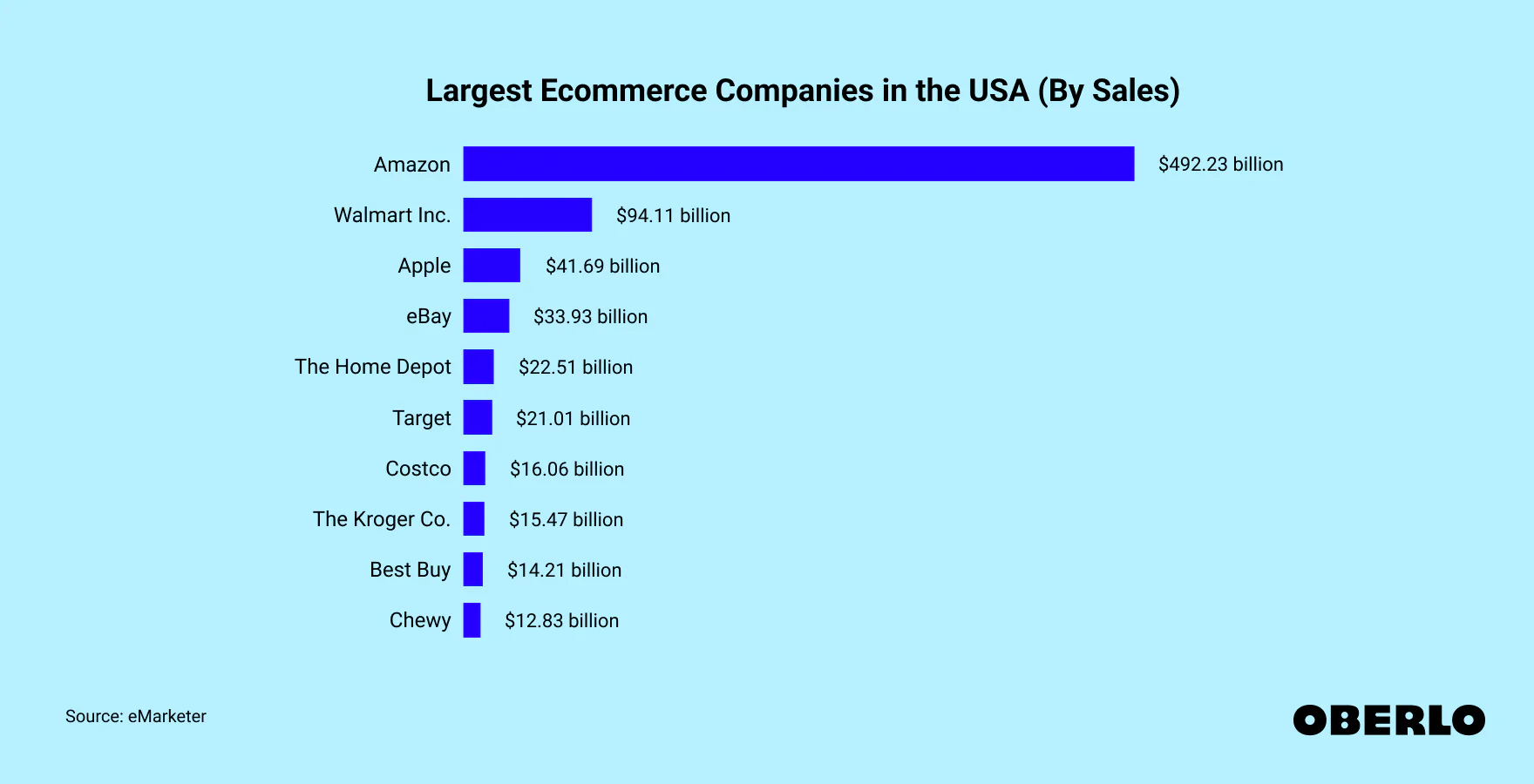
Over the past two decades, e-commerce has grown from a niche channel into a pillar of the U.S. economy. With millions of Americans now using the internet for shopping, the online retail ecosystem continues to evolve rapidly. But among the tens of thousands of e-commerce sites, a handful dominate consumer attention and traffic. In this article, we will explore the most visited e-commerce platforms in the United States, analyze their appeal, and examine the trends that shape their success.
The E-commerce Landscape in the U.S.

First, it helps to understand the scale and importance of e-commerce in the United States. According to Statista, the U.S. e-commerce market is enormous, with leading retailers capturing significant market share. (Statista)
Despite the vast number of online stores, a few names stand out in terms of traffic, sales volume, and influence. These key players aren’t just retailers — many operate as “marketplaces,” connecting buyers and sellers, while others combine a digital presence with physical stores.
Let’s dive into the top contenders, ranked by their traffic and relevance in 2024–2025.
Top E-commerce Sites in the USA
Based on recent data (from sources such as SimilarWeb, Visual Capitalist, Semrush, and other traffic analytics), here are the most visited e-commerce websites in the U.S.:
1. Amazon
- Traffic & Reach: Amazon is by far the dominant player. According to Visual Capitalist, Amazon had on average 390 million monthly unique users in late 2024. (Visual Capitalist)
- Market Share: In 2023, Amazon held approximately 37.6% of U.S. e-commerce market share. (Statista)
- Why It’s Popular: The success of Amazon is multifaceted:
- Immense product variety: From books to groceries, electronics to fashion. (Wikipédia)
- Fulfillment and logistics: With Fulfillment by Amazon (FBA), many third-party sellers rely on Amazon’s infrastructure, which ensures fast shipping and reliable customer service. (threecolts.com)
- Prime membership: The loyalty program is a powerful driver. Its added perks like free two-day shipping, video streaming, and exclusive deals keep customers hooked.
- Search as shopping: Many U.S. consumers use Amazon like a search engine, browsing it for inspiration or to compare products. (Statista)
In short, Amazon’s dominance is not merely about being first or biggest; it’s about delivering a seamless, trustworthy, and comprehensive experience.
2. Walmart
- Traffic & Reach: According to Semrush data (October 2025), Walmart’s website had over 500 million visits in a month. (Semrush)
- Business Model: Walmart is unique because of its strong omnichannel presence: a vast physical footprint paired with a growing e-commerce division.
- Why It’s Popular:
- Brand recognition: Walmart is a household name in the U.S., trusted for value and variety.
- Integration of online and offline: Customers can order online and pick up in-store, giving them flexibility.
- Competitive pricing: Walmart’s business model emphasizes low costs, which appeals to bargain-conscious online shoppers.
3. eBay
- Traffic & Reach: Visual Capitalist reported around 106 million monthly visitors in late 2024. (Visual Capitalist) Semrush also ranks eBay second in U.S. retail website visits. (Semrush)
- Business Model: eBay is primarily a marketplace that enables auctions, fixed-price listings, and peer-to-peer sales.
- Why It’s Popular:
- Unique inventory: Because of its auction model and individual sellers, eBay often has rare, used, or niche items that are hard to find elsewhere.
- Global reach: Sellers from around the world list on eBay, offering a broad variety.
- Enthusiast communities: eBay remains a first choice for collectors, hobbyists, and bargain hunters.
4. Target
- Traffic & Reach: Semrush places Target in third or fourth place among U.S. retail websites with ~187 million monthly visits (October 2025). (Semrush)
- Business Model: Like Walmart, Target combines a physical store presence with a robust online offering.
- Why It’s Popular:
- Brand appeal: Target is known for “cheap chic” — stylish but affordable products.
- Convenient fulfillment: Options such as order online + in-store pickup, same-day delivery, and curbside pickup.
- Diverse product categories: From clothing and home decor to groceries, Target’s range appeals to a broad demographic.
5. Etsy
- Traffic & Reach: According to Visual Capitalist, Etsy had about 86 million monthly visitors in late 2024. (Visual Capitalist) Semrush data for October 2025 also ranks Etsy high in the U.S. retail sector. (Semrush)
- Business Model: Etsy is a curated online marketplace that focuses on handmade, vintage, and craft items.
- Why It’s Popular:
- Niche and artisanal products: Etsy attracts creative entrepreneurs and buyers looking for unique, handmade, or personalized goods.
- Community feel: Many Etsy shops are passion projects run by artisans, which resonates with consumers who value craftsmanship.
- Customization: Buyers often commission bespoke items, making Etsy a destination for gifts, art, and one-of-a-kind products.
6. Home Depot
- Traffic & Reach: According to Semrush, Home Depot’s website garnered about 173 million visits in October 2025. (Semrush)
- Business Model: Home Depot combines a massive brick-and-mortar presence with a strong e-commerce platform focused on DIY, construction, and home improvement.
- Why It’s Popular:
- Trusted brand in home improvement: For tools, materials, and appliances, Home Depot is a go-to.
- Omnichannel convenience: Customers can shop online and pick items up in-store, or have bulky orders delivered.
- Expert content: The site also offers how-to guides, project ideas, and product reviews, making it more than just a storefront.
7. Samsung.com
- Traffic & Reach: Semrush data (October 2025) reports around 137 million monthly visits for Samsung’s U.S. retail site. (Semrush)
- Business Model: While Samsung is primarily a hardware manufacturer, its website plays a role in e-commerce for its devices, accessories, and services.
- Why It’s Popular:
- Direct-to-consumer sales: Buying from Samsung.com ensures you’re getting genuine products, the latest models, and sometimes exclusive offers.
- Brand loyalty: Many consumers trust Samsung and prefer to purchase from the brand’s official site for warranties and support.
- Integrated ecosystem: The site often bundles devices, services (like Samsung Pay or Health), and accessories.
8. Shein / Temu (Emerging Competitors)
While not always at the top in traditional “retail website” rankings, fast-fashion and low-cost marketplaces such as Shein and Temu are increasingly influential in the U.S. e-commerce scene:
- Shein: According to some rankings, Shein generated more than $22 billion in U.S. sales, pushing it into the top e-commerce players. (threecolts.com)
- Temu: This Chinese-founded platform has exploded in popularity. Its business model connects U.S. consumers with very low-cost products shipped directly from overseas manufacturers. (Wikipédia)
- Why They Are Growing:
- Ultra-low prices: Both Shein and Temu thrive on offering heavily discounted goods.
- Social commerce: They leverage social media campaigns, influencer marketing, and flash sales to drive high volume.
- Mobile-first strategy: Many of their users shop primarily via mobile apps, aligning with younger, price-sensitive consumers.
9. Best Buy, Costco, and Wayfair
These retailers also command significant traffic, although they may not always crack the top 5 in every ranking:
- Best Buy: A leading electronics retailer, Best Buy’s online store remains a trusted destination for gadgets, appliances, and entertainment systems. (Analyzify)
- Costco: Known for its membership warehouse model, Costco also has a robust online presence. (Analyzify)
- Wayfair: Specializing in furniture and home décor, Wayfair appeals to consumers who want variety, style, and convenient home delivery. (Analyzify)
What Drives Traffic to These Sites?
Now that we’ve identified some of the most visited e-commerce platforms, let’s explore why they attract such massive audiences.
1. Brand Trust and Reputation
Consumers gravitate toward brands they trust. Amazon, Walmart, Target, and Home Depot are household names, and purchasing from them feels safe and reliable.
2. Logistics and Fulfillment
Fast shipping, easy returns, and smooth order tracking are major decision factors. Amazon’s FBA network, Walmart’s store pickup, and Home Depot’s delivery for bulky items all contribute to a seamless user experience.
3. Product Variety and Depth
The top e-commerce platforms offer an astonishing range of products. Whether someone is buying a power drill, a pair of socks, or a handmade necklace, these sites usually have something to satisfy the need.
4. Competitive Pricing
Discount strategies, membership models (like Prime), and bulk pricing help these companies stay competitive. Players like Shein and Temu aggressively undercut prices, which appeals to budget shoppers.
5. Omnichannel and Mobile Integration
Integrating online and offline experiences (store pick-up, fulfillment centers, app-based shopping) increases reach and convenience. The mobile-first nature of many shoppers also means that a strong app or mobile site can drive huge volumes.
6. Content and Community
Sites like Etsy and Home Depot don’t just sell — they educate. Tutorials, product reviews, blogs, and customer stories help engage users and build loyalty.
Emerging Trends in U.S. E-commerce
Looking at the top sites is useful, but it’s also important to understand where the market is heading. Several key trends are shaping the future of e-commerce in the United States:
- Rise of Social Commerce
Platforms like TikTok are not just for content — they are becoming shopping destinations. TikTok Shop, for example, is growing rapidly in the U.S. and is being seen as more than just a feature: it’s becoming a standalone e-commerce brand. (Business Insider) - Budget Marketplaces
The rapid ascent of Temu and Shein reflects a growing segment of consumers who prioritize low cost over brand prestige. These platforms are challenging traditional retailers by offering massive inventories and steep discounts. (Wikipédia) - Sustainability and Conscious Shopping
As consumers become more environmentally conscious, platforms that promote ethical production, local craftsmanship (like Etsy), or sustainable goods are likely to gain more prominence. - Personalization and AI
E-commerce platforms are investing heavily in AI-driven recommendation engines. Personalized shopping experiences — from product suggestions to curated storefronts — help increase conversion and retention. - Logistics Innovation
Faster delivery, micro-fulfillment centers, and optimized last-mile logistics continue to be crucial. Big players are constantly striving to reduce delivery times and costs. - Regulatory Pressures
As e-commerce grows, regulatory scrutiny increases. Concerns about data privacy, labor practices, and anti-competitive behavior (especially for giants like Amazon) are becoming more prominent.
Challenges Facing Top E-commerce Platforms
While the biggest e-commerce sites appear dominant, they face real challenges:
- Competition: Emerging players like Temu, Shein, and even social platforms threaten traditional leaders.
- Margin Pressure: Low-cost marketplaces rely on tight margins and massive volume, which can be risky.
- Supply Chain Disruptions: Global supply chain issues, shipping delays, and rising logistics costs can hurt profitability.
- Sustainability Expectations: Consumers, especially younger ones, increasingly care about ethical production, carbon footprint, and environmental impact.
- Regulation: As mentioned, companies are under pressure from governments and regulators to improve transparency, pay fair wages, and limit monopolistic behavior.
Why Knowing the Top Sites Matters (for Consumers & Businesses)
- For Consumers: Understanding which platforms dominate helps shoppers make informed decisions. It also shows where they can find the best selection or value, depending on their priorities.
- For Businesses: For retailers, brands, or entrepreneurs, knowing which e-commerce platforms attract the most traffic can guide strategy — whether to sell on Amazon, target Walmart Marketplace, launch a Shopify store, or partner with niche sites like Etsy.
Conclusion
E-commerce in the United States is profoundly shaped by a few major players. Amazon leads by a wide margin, followed by Walmart, eBay, Target, and niche-focused platforms like Etsy and Temu. These sites collectively capture the lion’s share of consumer attention due to their trust, logistical strength, diverse inventory, and pricing strategies.
But “dominance” doesn’t mean stagnation. New models are emerging — from social commerce to ultra-budget marketplaces — that are challenging incumbents. As consumers evolve and technologies advance, the e-commerce landscape will continue to shift.
For both consumers and businesses, staying attuned to the most visited e-commerce sites is more than curiosity: it’s a strategic necessity. Whether you’re a shopper looking for the best deal or a seller planning to scale, understanding where traffic goes helps you navigate the digital marketplace more intelligently.